

Entries
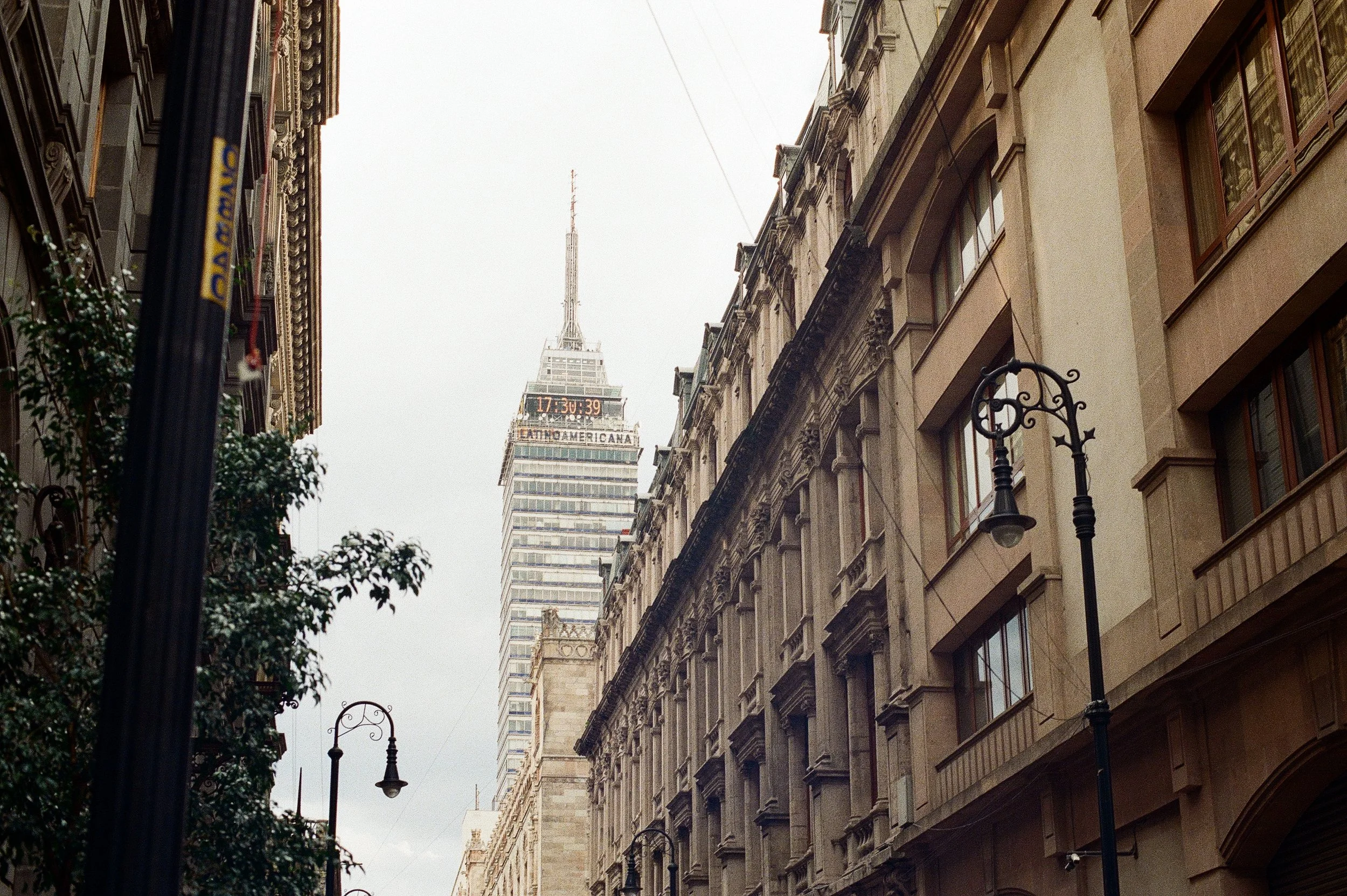
What I Built Instead
You wanted a soldier who never bled,
so I learned to swallow the sound of my own voice
before it could reach your ears.
I learned that love, in your house,
was a door that only opened one way —
and I stood on the wrong side of it,
knocking,
year after year,
thinking if I just knocked right, you'd finally let me in.
I watched my mother fold herself smaller
so your anger would have room to breathe.
I watched her eyes go quiet
the way water goes quiet before it freezes.
Standing in the hallway,
small and shaking,
I promised myself:
"Not me.
Never me."
I built a wall from your silence
and a door from your rage.
I ran ...
Not away from you,
but away from becoming you,
away from the version of me
that could build a house with no windows
and call it strength.
I brought my whole trembling heart to your kitchen table,
measured out in careful teaspoons,
and you looked at it like it was Inconvenient.
I am tired of being gentle about how much you hurt me,
tired of measuring my anger in teaspoons
so it won't remind you of yours.
But I did not become you.
That is mine now —
not the years I spent afraid,
but the years I spent building something else:
windows where there were only walls,
a voice that shakes and still speaks anyway,
a love that stays even when it's hard,
a home where no one has to earn the right to be heard.
On Knowing when to Step Back
You will not be told when the right moment has come. There is no line so plainly crossed, no exchange of such definitive cruelty, that the choice is made for you. For the most part, the time to step back doesn’t present itself as an event so much as a pattern you allow yourself to recognize.
And it is a familiar one: the same conversation in which the roles are fixed. You put something on the table and they stand their ground. You make your case again, with the hope that it will be received better this round, but they hold firm. It may be done with some gentleness or not, but you end up in the same spot where they have done no wrong and you are left to deal with the room’s discomfort. In the end you are the one to offer an apology, if only to close the matter since they won’t. If you can see that shape in enough of your past talks, you are looking at the relationship as it truly is, not just one bad evening.
Then there is the distinction between being hurt by someone and dealing with someone who won’t admit to having done the hurting. The former is manageable; even those who care for one another can be clumsy and cause pain without intent. What is more difficult is the latter, the feeling that no matter how clearly you lay out the history and the reason for the sting, it will still be turned back on you as a matter of your own reaction.
It is worth taking note of when you realize you aren’t looking for agreement any longer, simply to be seen, and yet that too is denied. Or consider the toll the relationship takes on your nerves in the ordinary course of things. Are you more braced than you are yourself after an hour with them? Do you have to run through what you’re going to say in advance, or curtail yourself in the room? And do you require a partner or another friend to vouch for the way you remember things transpiring? An occasional need for that sort of confirmation is fine, but if it is a constant, the relationship has eroded your trust in your own judgment, which is a price steeper than any row.
Of course, one cannot take every hard word as a measure of character. A person can be under the weight of grief or the stress of life and be uncharacteristically poor company. Sensitivity and bad timing can coexist and one should be fair enough to acknowledge that. The assessment you make at two in the morning following a string of difficult talks is valid, but exhaustion has a habit of stripping away the nuance.
In the end it is a practice rather than a rule. Observe the pattern over the incident. See if you are the one always providing the acknowledgment. Let your body tell you what your mind might try to debate about a single encounter. And don’t feel obliged to rush to a verdict in your most fatigued hours. Those who are meant to be in your life can stand to be reconsidered without you owing them a hasty answer.
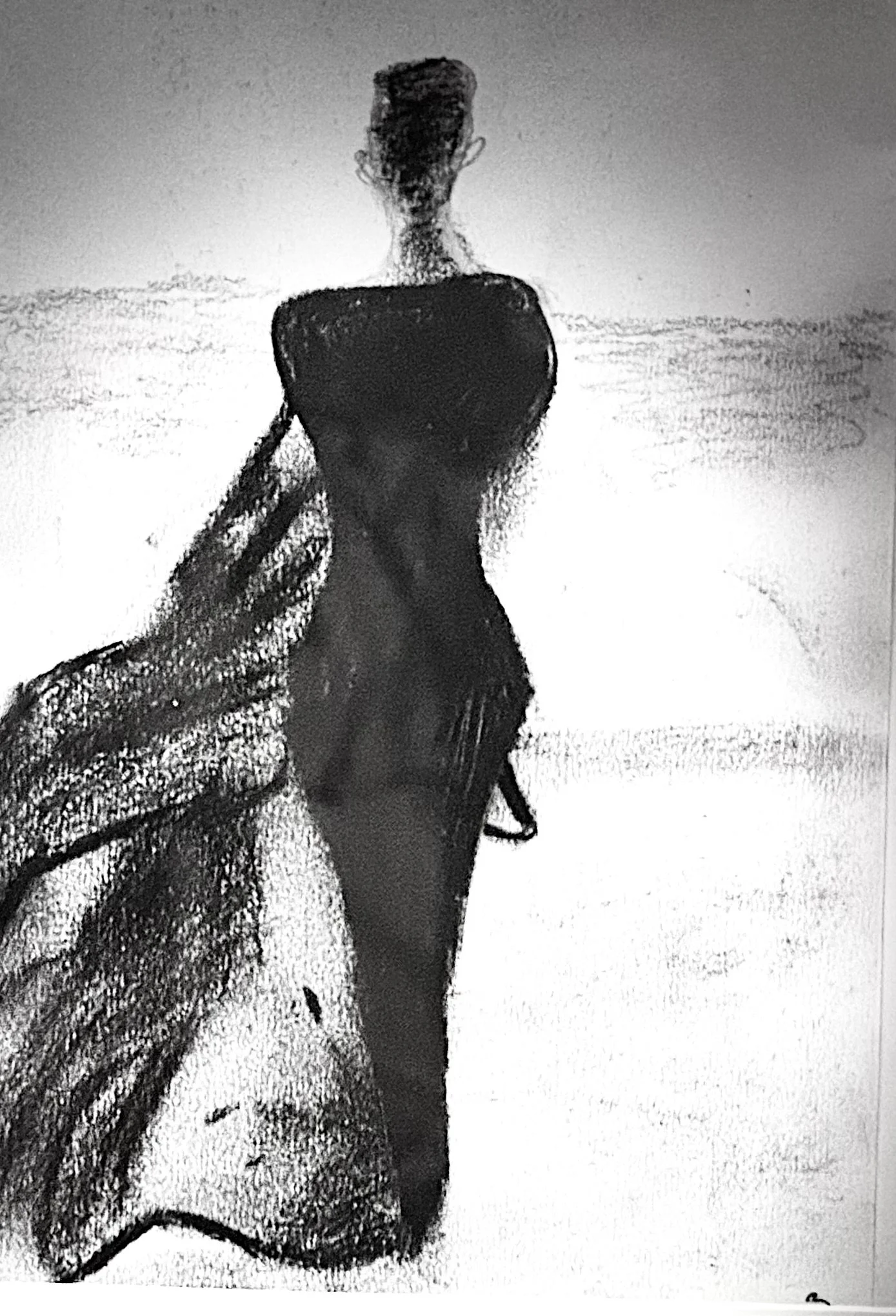
The Shape of What Never Happened
There’s a version of my life that never existed, and somehow it’s the one I remember most clearly.
It visits in small, inconvenient ways.
In the pause before I answer a question no one asked.
In the space between waking and getting up, when the mind is soft enough to wander somewhere it shouldn’t.
In that version, I say something.
It’s never dramatic. No grand confession, no cinematic moment where the world rearranges itself around courage. Just something simple. A sentence that crosses the distance between two people and lands without apology.
Sometimes it’s just a name.
I never say it here.
Back then, I had perfected the art of absence. Not disappearing entirely—just enough to remain untouched. It felt like control. If nothing began, nothing could end. If no one saw me, no one could leave.
It was a clean system. Efficient. Predictable.
And then you disrupted it by being… ordinary in a way that felt extraordinary to me.
Not because you were loud or larger than life. Quite the opposite. You moved through the world without calculation, without the careful negotiations I carried in every interaction. There was a steadiness to you. A kind of ease I didn’t trust but couldn’t stop studying.
You spoke to people as if they were already worth your time.
I didn’t know what to do with that.
So I did nothing.
I became an expert in almosts. Almost standing beside you. Almost speaking. Almost letting myself exist in the same space without retreating into the safety of observation.
I told myself there would be a better moment. A clearer opening. A future version of me who knew how to step forward without flinching.
Time passed, like it always does—quietly at first, then all at once.
The moment never improved.
I never improved.
And then it was over in the way things often are—not with a clear ending, but with a slow drift until the distance becomes permanent.
You became a memory without ever being a reality.
That should have made it easier to forget.
It didn’t.
Because forgetting requires something solid to hold onto. A conversation. A rejection. A mistake you can point to and say, that’s where it broke.
But there’s nothing here. No evidence. No scene to revisit and revise.
Just a blank space where something might have lived.
That’s the part that stays.
People talk about regret like it’s tied to the past, like it belongs to something that already happened. But this feels different. It’s not rooted in memory. It’s rooted in absence.
It’s the awareness of a door I stood in front of and never opened.
Not because it was locked.
Because I was.
I used to think the feeling meant I still loved you.
That would have been simpler. Cleaner. Something I could file away under nostalgia and outgrow with time.
But it isn’t you that lingers.
It’s the version of me who never existed.
The one who risked being seen.
The one who said the thing before it calcified into silence.
The one who understood that the cost of safety is a life lived just outside of itself.
I meet her sometimes in dreams.
She’s unremarkable in every visible way. No brighter, no braver in appearance. But she moves differently. There’s no hesitation in her. No internal negotiation before every step.
She says your name like it belongs in her mouth.
In those dreams, nothing extraordinary happens. You don’t fall in love with her. The world doesn’t reward her courage with some poetic symmetry.
But she exists in the moment fully, without retreat.
And when I wake up, that’s what hurts.
Not that I lost you.
But that I never allowed myself to be her.
Time has done what it always does. It has softened the details, blurred the edges, turned specific memories into something more atmospheric than real. You’ve likely become someone entirely different now. So have I.
We are strangers in every way that matters.
And still, this remains.
Not as longing. Not even as sadness, exactly.
More like a quiet, persistent question:
What if I had just said something?
It doesn’t ask for an answer. It doesn’t expect resolution. It simply exists, a small echo that refuses to dissolve, no matter how much time passes.
I’ve learned to live with it.
But some nights, when the world is still and there’s nothing left to distract me from myself, I can feel it again—that slight shift, like standing at the edge of a moment that never happened.
And I understand, with a clarity that feels almost cruel:
There are some things in life you don’t lose.
You just never choose them.
And somehow, that’s harder to forgive.
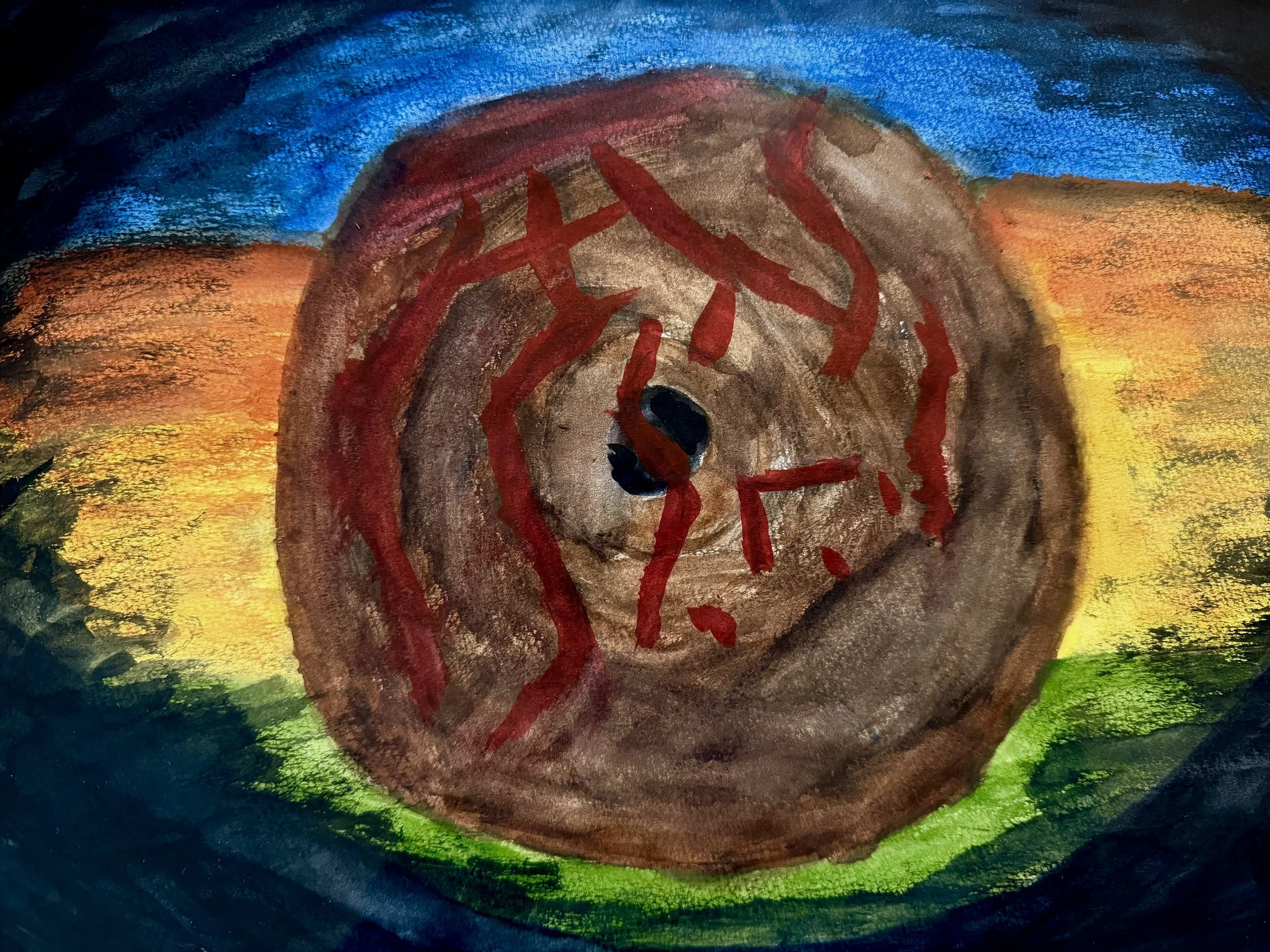
Floater
The first thing isn’t darkness.
It’s worse than that.
Something there—but not steady.
A stain that won’t stay put, like it knows you’re watching.
It drifts.
You try to look past it.
It follows
A small shadow cutting across everything, like a comma dropped in the wrong place.
In the right eye—something’s off.
Movement where there shouldn’t be.
Light breaking wrong.
When you close your eyes, it doesn’t go away.
It gets louder.
Rust-red shapes.
Thick, uneven.
Like something inside is… not right.
You open them again.
The room comes back, but thinner.
Edges soft, like they’re already starting to leave.
And then fear—no build, no warning.
Just there.
It sits heavy.
Right on your chest.
Starts asking questions you don’t want.
What if this doesn’t clear.
What if this is how it starts.
What if one day you open your eye-sand nothing answers back.
You stop sleeping.
Morning shows up too early, like you’ve done something wrong.
Your mind keeps count of things you never asked it to track: burden.dependent.
Too much.
You start imagining yourself differently—heavier.
Something people have to carry.
Your father’s voice slips in there.
Not really him, but close enough.
That instinct to expect the worst.
To prepare for it.
You learned that early.
How to brace.
How to find exits before you need them.
Now it won’t turn off.
“I’m a hypocrite,” you say, quiet, to no one.
Because you’ve always talked about strength.
About pushing through.
And now your hands shake.
As if fear means failure.
As if the body breaking rhythm's something you’re supposed to control.
Art used to steady you.
Boxing used to burn it out.
Now even that feels uncertain.
How do you paint when nothing holds still.
How do you read when words slip.
How do you trust your eyes when they’re the problem.
The doctor says it’s improving.
But the right eye lags behind.
Taking its time.
Like it’s deciding something.
Then another word shows up.
Surgery.
Vitrectomy.
You nod like you understand it.
Like it’s just another step.
But you hear the rest anyway—worse before better.
cataracts, eventually.
swelling that might come later.
You sit there, listening.
Doing the version of yourself that holds it together.
But later—
the thought sharpens.
If I go blind—
You don’t finish it.
You don’t need to.
It’s already there.
It’s not death you’re afraid of.
It's everything after.
Living without light.
Without words landing where they should.
Without that thin, invisible thing that lets you say this is still me.
Still—
there’s an appointment on the calendar.
A date.A time.Something ahead of you.
Follow up next step.
Someone watching.
Someone measuring it.
Not letting it just… happen.
For now—
you breathe.
You say what you can see.
Even if it’s imperfect.
You make it through the hour.
The floater drifts.
And you’re still here.
Afraid—yeah.
But here.
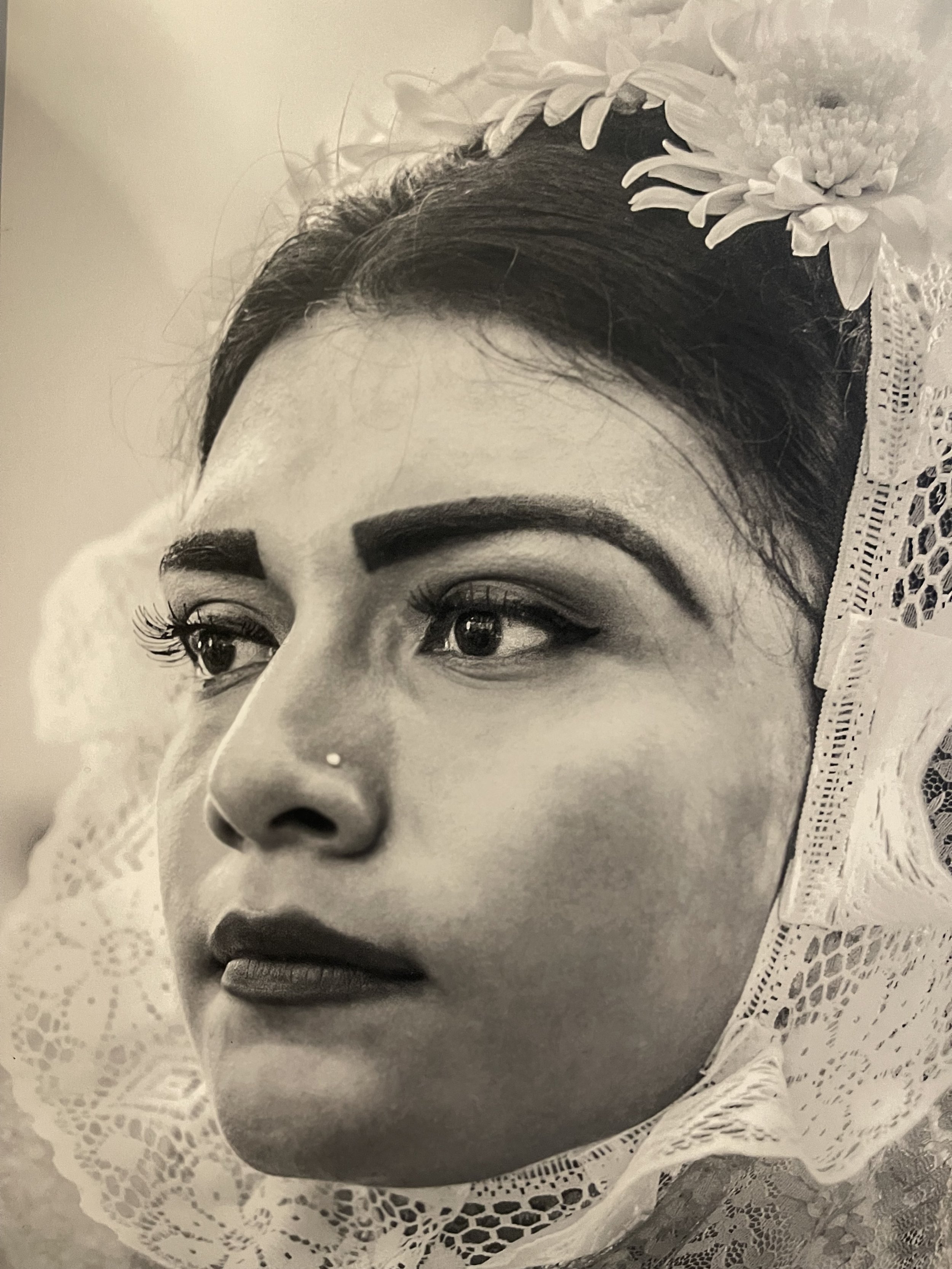
The Day the Boots Came
The first thing she noticed were the boots.
Heavy boots on cracked concrete, louder than the ice cream truck that usually rattled down the street in the afternoons. She was six, crouched on the sidewalk with chalk dust on her fingers, drawing a crooked sun that melted into the edge of the parking lot.
At first she thought it was a game.
Men in dark uniforms rushed through the apartment complex gates like a storm had suddenly decided to walk on two legs. Radios crackled. Doors slammed. A woman screamed from the third floor balcony.
The girl looked up, squinting into the bright afternoon light.
Someone yelled in a language she didn’t understand yet.
Then everything started moving.
A father ran down the stairwell holding a toddler under one arm. A grandmother shuffled across the courtyard clutching a rosary. Doors opened and closed like frightened birds. People scattered in every direction—behind dumpsters, through the laundry room, into parked cars that wouldn’t start.
The girl stood frozen beside her chalk drawing.
She didn’t know what immigration was.
She didn’t know what ICE meant.
But she knew something terrible was happening.
A boy burst around the corner of the building.
She recognized him instantly.
Mateo.
Her elementary school bully.
The boy who pulled her braids during recess and once told the whole class she smelled like onions from the lunches her mother packed.
Now his face looked different.
His eyes were wide and wet. His chest moved like he’d been running for miles.
“Please,” he whispered.
He glanced behind him like shadows might be chasing him.
“Can I hide here?”
She blinked.
Behind him, the shouting grew louder.
“Please,” he said again. “They took my mom.”
The words landed like stones.
She grabbed his hand without thinking and pulled him toward the apartment door.
Inside, the air smelled like beans simmering on the stove.
Her mother turned from the kitchen.
“¿Qué pasa?”
The girl’s voice came out shaking.
“He needs to stay here.”
Mateo stood by the door, breathing fast, dirt smeared across his knees.
“They took my parents,” he said.
Her father appeared from the hallway.
For a moment, no one spoke.
Outside, footsteps thundered past the building.
The girl waited.
Finally her father knelt down beside her.
“Mija,” he said softly. “We can’t.”
She frowned.
“Why?”
Her mother looked toward the window, then back at the boy.
“It’s illegal to hide someone,” she said quietly.
The girl didn’t understand the word illegal.
She only understood the boy standing in their kitchen with nowhere else to go.
“But he’s just Mateo,” she said.
The boy who once pushed her off the swings.
The boy who now looked smaller than she’d ever seen him.
Her father sighed.
“He’s a U.S. citizen,” he explained. “If they find him here… we could get in trouble.”
Mateo stared at the floor.
“If I go with them,” he whispered, “they said I’ll go to foster care.”
The word meant nothing to her.
But the way he said it sounded like falling.
She grabbed her father’s sleeve.
“Please let him stay,” she begged.
Her voice cracked.
Her mother closed her eyes for a moment.
The apartment felt suddenly too small.
Too quiet.
Finally her father stood.
“I’m sorry,” he said.
An hour later the officers knocked.
The girl watched from the hallway.
Mateo didn’t cry when they took him.
He just looked back once.
The door closed.
Silence filled the apartment.
That night the girl cried until her throat hurt.
The next day she cried again.
And the next.
For a week she cried so much that even the chalk drawings outside faded under the rain.
Her parents tried to explain.
About laws.
About borders.
About papers people needed to belong.
But none of the words made sense to a six-year-old who had watched a family shatter like glass in the middle of the courtyard.
Years later she would learn the vocabulary.
Immigration enforcement.
Deportation.
Family separation.
But the lesson she remembered most was simpler than any policy.
She remembered the look in Mateo’s eyes when he asked if he could stay.
And how wrong it felt that the answer had to be no.
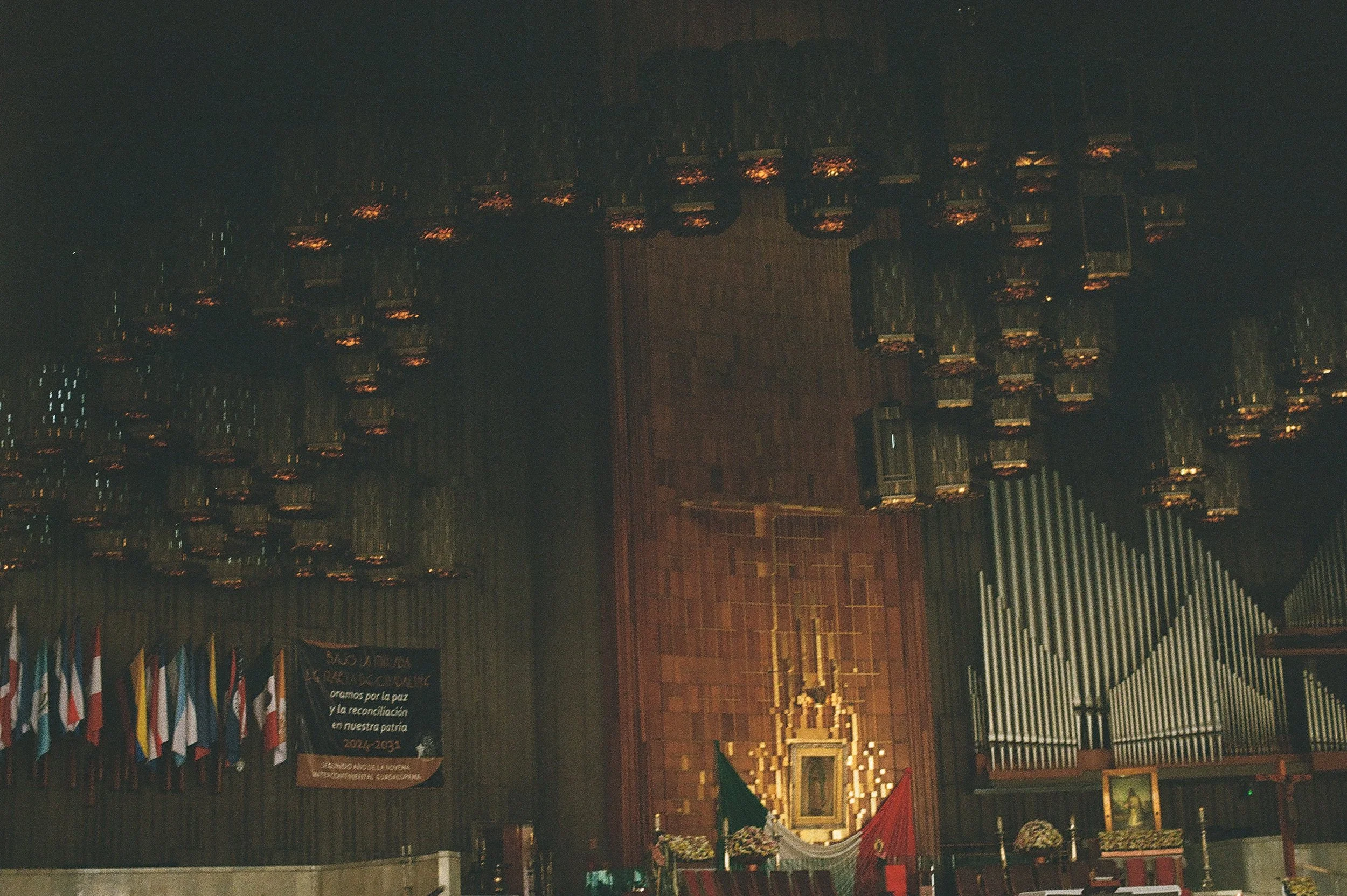
The Distance Love Walks
I.
The night does not ask your name.
It only asks if you can keep walking.
Sand inside your shoes,
dust in the throat,
a sky so wide it feels like God forgot the ceiling.
You carry very little—
a backpack,
a photograph folded soft with fingerprints,
your mother's voice stitched somewhere between your ribs.
"Vete con cuidado," she said.
Go carefully.
Carefully across a river that does not care who drowns in it. Carefully across land that cracks open like old bones under the sun.
The desert teaches you its language quickly:
Thirst.
Distance.
Silence.
Hope weighs more than water.
Every step forward pulls a thread loose from home.
Your father fixing the broken fence.
Your sister laughing at the kitchen table.
The smell of tortillas warming on the comal like small suns.
You leave them all behind—
not because you want to,
but because love sometimes looks like departure. Because hunger is louder than pride.
Because dreams are stubborn creatures.
And so you walk.
II.
The border is not a line.
It is a breath you hold for miles.
It is the moment when fear and courage share the same heartbeat.
On the other side, there is no parade.
No welcome.
Only the quiet understanding that now you must survive.
You learn a new language one broken word at a time.
Yes.
No.
Work.
Sorry.
Sorry for your accent.
Sorry for not understanding.
Sorry for existing in spaces that look at you like a stain.
III.
You wake before the sun to clean houses you will never live in. Wash dishes you will never eat from.
Pick fruit you cannot afford.
Your hands crack open like dry earth—
the same hands that once fixed a fence back home,
now bent over someone else's sink.
Your back bends under the invisible weight of someone else's comfort.
Rooms packed with strangers who smell like the same tired hope. Mattresses on floors.
Walls thin as paper.
Dinner sometimes is just beans and the quiet calculation
of how much money can still be sent home.
Because that is the whole point.
Not you.
Them.
The little boy who will finish school.
The mother who will buy medicine.
The family that will sleep with one less worry.
You wire money across a continent like sending small pieces of your own body back.
And still some voices here say
"You do not belong."
They say it with glances,
with laws,
with laughter that cuts like wire.
They do not see the miles in your bones.
They do not see the nights you nearly turned back.
The river that almost kept you.
The desert that tried to erase you.
But you are still here.
Still waking up.
Still working.
Still sending love home, piece by piece, in envelopes and phone calls.
Still believing that somewhere inside this hard country
there is room for your children to breathe.
Because you did not cross a border just to survive.
You crossed it so someone after you would not have to.
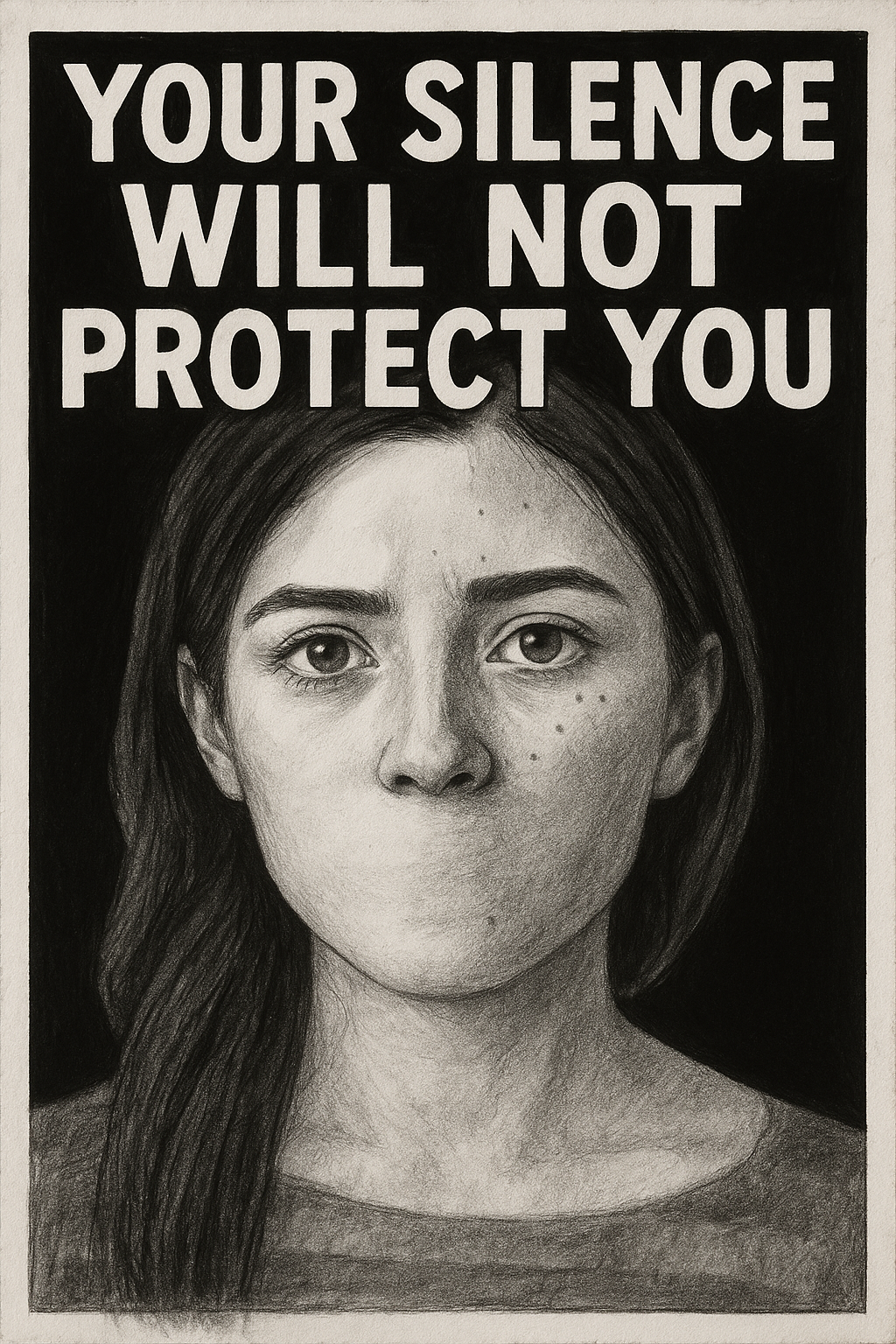
Leaving Asset Management Without Bitterness: A Case Study for Accountability, Not Amnesia
“Your silence will not protect you.” — Audre Lorde
“Neutrality” isn’t neutral; it’s a costume power wears to the board meeting.
I left asset management not with a clenched fist, but with an open ledger: line items of what happened, what it cost, and what must change. This is not a grievance memo in disguise. It is a witness statement—braided from data, policy, and story—about how “neutral” corporate systems can become pipelines for bias, and how leaders can turn the tide with real accountability.
I speak as someone who loved the work. I built models, coached analysts, and fought for better processes. But when “be perfect with no support” becomes a management doctrine, even excellence buckles. In September 2024 I formally asked HR to investigate a toxic environment—outlining patterns that began in 2023: ideas dismissed, training withheld, and opportunities funneled to male peers while my concerns were minimized and later used to justify a demotion.
Meanwhile, what gets labeled “performance” often turns out to be disability-related needs left unaccommodated. I documented hearing loss and diabetic retinopathy, requested simple tools (e.g., Grammarly) and meeting flexibility while hypoglycemic, and still encountered pushback and character judgments.
The investigation summary later declared “no evidence” of discrimination and reframed the conflict as my “leadership issues,” offering severance instead of structural repair.
Let’s name what this is. A system that calls itself neutral while consistently discounting the voices and needs of women of color and disabled employees is not neutral; it’s calibrated. As Caroline Criado Pérez shows, “gender-neutral” defaults are typically male defaults; missing data about women becomes institutional silence.¹ Audre Lorde insists that breaking silence is the first ethical act; anger, properly harnessed, clarifies.² Ruby Hamad maps how white fragility in feminist spaces recenters power and punishes those who speak up.³ Ibram X. Kendi reminds us racism is a policy outcome, not a feeling; if a process reliably protects dominant groups, it is performing as designed.⁴
The Pattern Behind the Incidents
Selective Credibility: When my white male counterparts escalated concerns, they were validated; my escalations were dismissed or pathologized.
Procedural Fog: I was denied transparent access to the very feedback used to judge me, and asked for policies that supposedly barred sharing it.
Accommodation Drift: Documented disability needs were framed as “unprofessionalism,” despite contemporaneous explanations and requests.
Retaliation Dynamics: After reporting, my role was reduced and redefined, while critics of my leadership were promoted into the seats I once occupied.
None of this proves individual malice; it demonstrates system design. As Kendi would say, outcomes are the evidence.⁴ And as Pérez would urge, measure the gap.¹
The Human Ledger
I will not sanitize the cost. The anxiety, insomnia, and depressive episodes were real; I sought treatment, entered partial hospitalization, and kept HR informed.
The work I loved became a site of injury. Yet even then, I tried to build psychologically safe, documentation-driven practices across teams.
From my personal writings—my internal barometer—this is how it felt: “In corridors where judgments freeze, she battles on, with silent pleas”; “To love what I do… but to lose my peace, I dare not”; “No soul wears the same skin… the beauty of stories, in every face.” These poems were not theatrics; they were diagnostics—a pulse oximeter for culture.
The Corporate Myth of Neutrality
Neutrality as Violence: “Not racist,” “gender-neutral,” “we treat everyone the same”—these are often compliance mantras that mask skew.¹⁴
Silence as Policy: When HR processes request quiet patience while promotions speed past, silence becomes a structural instruction.²³
Objectivity Theater: Anonymous feedback without disclosure, opaque policy citations, and undocumented “standards” create a fog where bias thrives.¹³
As Lorde reminds us, *the master’s tools will never dismantle the master’s house.*² But leaders can build new tools.
A Concrete Accountability Agenda for Executive Leadership
Publish an Equity Scorecard (Quarterly).Disaggregate promotion, performance, pay, attrition, and investigation outcomes by gender, race/ethnicity, disability status, and manager. Pérez shows measurement changes design.¹
Investigations with Due Process—Not Black Boxes.
Written scope, evidence lists, and policies cited.
Right of response to specific claims before conclusions.
Share sanitized excerpts of feedback with subjects and allow rebuttal attachments. (You already track this material; share it responsibly.)
Accommodation First, Assessment Second.
Before performance judgments, document whether requested accommodations were granted and effective. Reevaluate any “unprofessionalism” findings tied to untreated disability needs.
Bias Interlocks in Talent Decisions.
Any demotion or reassignment within six months of a protected complaint triggers a mandatory bias review and senior sign-off with a written rationale.
Right-Sized Workloads and Resource Parity.
Require documented resourcing plans where teams are understaffed but “zero-error” expectations persist; otherwise you’re institutionalizing failure and scapegoating.
Manager Capability Model = Safety + Standards.
Build manager KPIs around psychological safety and quality: e.g., “errors caught via open communication before client impact” (your own leaders already use this language).
Sunlight for DEI:Treat women of color’s testimony as data, not “drama.” Center the most affected voices; pair quant with narrative.²³⁴
Why I Left—and What I’m Asking
I did not leave because I was bitter or fragile. I left because awareness without structure is theater. I asked for help, documented patterns, and proposed fixes. The response offered me severance instead of systemic correction.
I want better for the next analyst who believes in this work as much as I did.
So this is my minimal ask to executive leadership:
Acknowledge that neutrality can encode bias.
Commit to the accountability agenda above with dates and owners.
Report outcomes publicly to employees each quarter.
Protect the messengers; they’re often your earliest risk controls and your best designers of better systems.
Or, as Lorde would put it—choose transformation over comfort.²As Pérez would say—measure what you claim to value.¹As Hamad would insist—center those who’ve paid the tax of fragility.³As Kendi would demand—change the policy; the outcomes will follow.⁴
I left, yes. But I’m not done. My voice—and the voices of many—remain on the record. Accountability is how you prove that the record matters.
Epilogue (because I’m still me)
From my own pages: “Kintsugi, the art of golden seams… The scars are not hidden, but shown with pride.” I’m not asking you to hide the cracks. I’m asking you to mend them in gold—so the vessel holds for everyone, not just the few.
Works Cited (MLA)
Criado Pérez, Caroline. Invisible Women: Data Bias in a World Designed for Men. Abrams Press, 2019.
Hamad, Ruby. White Tears/Brown Scars: How White Feminism Betrays Women of Color. Catapult, 2020.
Kendi, Ibram X. How to Be an Antiracist. One World, 2019.
Lorde, Audre. Sister Outsider: Essays and Speeches. Crossing Press, 1984.
(Internal documentation referenced for factual claims about timeline, accommodations, and HR process; see excerpts:)

In the Land That Calls Me Stranger
I walk softly here— not because I want to, but because the air hums with eyes that follow. The ground beneath me feels borrowed, as if one wrong step might make it vanish.
My tongue is careful now. I roll my r’s in silence, tuck my vowels behind my teeth. Even my laughter feels foreign— too loud, too brown, too much of home for a place that wants me quiet.
I carry my papers like a shield, my heartbeat quickening at sirens that aren’t for me but could be. Every headline feels like a warning, every promise like a trap.
Sometimes I dream in two languages, and wake up wondering which one I am allowed to speak. I scroll through news that turns my people into shadows, our stories into statistics, our names into questions.
There’s a weight to being watched— to always wondering when the shoe will drop, when the next word, the next law, the next face in power will remind me that I do not belong.
And yet— in the quiet of my kitchen, the smell of cumin and corn wraps around me like a prayer. I hum an old song my mother used to sing, and for a moment, I am safe.
In that small space, I remember: they cannot take the warmth from my hands, the stories from my blood, the language that built me.
I am still here— standing on soil that may not claim me, but still holds me. I am the daughter of survivors, the echo of a thousand women who refused to disappear.
Even when the world turns away, I remain— unseen, but unbroken, afraid, but alive, a heartbeat that refuses to be silenced.
The Space Between Who I Was and Who I’m Becoming
There was a time when I lived by the ticking of progress—each task a measure, each success a breath of validation.I mistook motion for meaning, achievement for worth.
I built myself from outcomes, layer upon layer of doing, until the silence beneath it all became unbearable.
Now, the noise is gone.And what’s left is a strange kind of stillness—not peace, not yet, but a numb hum in the chest, a hollow where certainty used to live.
I grieve the version of me who knew exactly what to chase.I grieve the comfort of direction, the illusion of control. And in the quiet, I hear the echo of my own doubt—the voice that asks if I am anything without the gold stars and finished lines.
But somewhere in the rubble, a softer truth stirs. Maybe I was never meant to be built from milestones. Maybe I am meant to be found in the pauses—in the breath before the next step, in the trust that the path will unfold even when I cannot see it.
So I gather the pieces, not to rebuild what was, but to create something freer—a self unmeasured, a life unplanned.
I will learn to stand in the uncertainty, to let the unknown become a kind of faith.
Because life has never followed the blueprints I drew, and maybe that’s the point—to stop defining myself by what I’ve done, and start becoming who I already am.
The Echo Left Behind
In the quiet shadows where memories dwell,
Lies the echo of a story too tender to tell.
A heart once full, now hollow and bare,
Yearns for the touch that is no longer there.
The sun sets softly, yet the night is long,
Each star a reminder of where you belong.
In dreams, you visit, a whisper, a sigh,
But morning steals you, and leaves me to cry.
What ifs linger like ghosts in the night,
Questions unanswered, out of sight.
Does it get better? They say it might,
Yet the wound remains, despite the light.
Time, the healer, moves at its pace,
But the heartache lingers, a familiar face.
In laughter, in silence, in moments of grace,
Your absence is present, a haunting embrace.
What do I do with this pain I bear?
I carry it gently, with love and care.
For in this sorrow, a bond remains,
A testament to love that forever sustains.
So I walk this path with memories in tow,
Learning to live, learning to grow.
In the tapestry of life, your thread is spun,
A part of my heart, forever as one.

Kintsugi of the Soul
In the quiet of a potter’s room,
Where broken shards lie in gloom,
A master works with hands so wise,
To mend what once met its demise.
Kintsugi, the art of golden seams,
Where broken pieces find new dreams,
Lacquer mixed with powdered gold,
Mends the cracks, makes stories told.
A vessel once shattered, now made whole,
The fractures filled with lines of gold.
The scars are not hidden, but shown with pride,
A testament to what has been survived.
So too the soul that’s been through pain,
Bears the marks of loss and strain.
Trauma breaks us, makes us fall,
Yet within us lies the strength to recall.
The cracks and breaks are part of us,
A history written in lines of trust.
To heal is not to make it disappear,
But to fill the gaps with what makes us dear.
Golden lines where once were wounds,
A symbol of the strength that looms.
The beauty lies not in what was whole,
But in the mending of a broken soul.
We are all like kintsugi, in a way,
With golden scars that never fade away.
The broken parts are part of our story,
A testament to our journey and glory.
Healing is a journey, a work of art,
Where broken hearts can make a new start.
With every crack is filled with love and light,
We become more beautiful in the night.
So let us embrace our golden seams,
The mended parts where once were dreams.
For in the art of kintsugi, we find,
The beauty of a soul that’s been refined.

Unwritten
For so long, I wore a name stitched from sacrifice and silent pride— a daughter of dreamers, a worker of wonders, a seat at the table hard-won and hard-kept. I learned to speak in gratitude, to swallow my doubts, to prove, prove, prove that I belonged, that I was enough, that I was grateful for a door cracked open.
I built myself from borrowed bricks: my parents’ hope, my own hunger, the ache to be seen and never questioned. I pressed my voice into silence, let fear draw the lines of what I could say, what I could bear, what I could become.
But trauma is a mirror— it shows you the cracks and the light that leaks through. It asks: Who are you, when the mask slips? Who are you, when you choose yourself?
Now, I am learning to unlearn the weight of gratitude as a muzzle, to see freedom not as a gift but as a birthright. I am scared— but I am starting over, writing new chapters in the ink of my own voice.
I am not my job, not a single story, not a role handed down or a definition pressed upon me. I am the architect of my becoming: free to falter, free to rise, free to chase knowledge and carve new spaces for myself and for others.
Today, I claim the freedom to be messy, to be loud, to be wrong and to learn. To dream not just for myself, but for the ones who come after— to give, to speak, to build a table where every voice is heard.
I am not what I had to prove. I am what I choose to become. And my voice, unshackled, is my home.

The Invisible Woman
Amara stood before the mirror, adjusting the collar of her blouse with a practiced precision that belied the chaos swirling in her mind. Today was another day in the labyrinthine world of corporate America, where the corridors were lined not with gold, but with invisible barriers that seemed to spring up whenever she dared to advance. Her reflection stared back, a woman of undeniable talent and ambition, yet trapped in a narrative that wasn’t hers to write.
From the moment she stepped into the office, Amara could feel the weight of assumptions pressing down on her. Her colleagues, mostly well-meaning, often failed to see past the surface. They saw her as "pushy" when she was merely assertive, "bossy" when she was simply leading. Her directness, a trait she had honed to navigate the complexities of her dual identity as a woman of color, was frequently misinterpreted as aggression.
As she walked to her desk, she recalled the countless times her ideas had been dismissed, only to be repackaged and praised when voiced by someone else. It was a familiar dance, one she had learned to navigate with a blend of perseverance and humor. "Ah, the old 'invisible woman' trick," she would joke to herself, a wry smile playing on her lips.
Yet, beneath the humor lay a deep well of frustration. Amara was tired of the constant battle to prove her worth, of the endless cycle of being overlooked despite her qualifications and experience. She was weary of the assumptions that clung to her like a second skin, assumptions that whispered she was not enough, that she was too much.
But Amara was nothing if not resilient. She had learned to wield her wit as both shield and sword, cutting through the noise with a sharpness that often left her detractors speechless. Her quest was not just for recognition, but for a reimagining of what leadership could look like—bold, diverse, unapologetically authentic.
In meetings, she began to speak up, her voice a clarion call that demanded attention. She crafted her words with care, infusing them with the kind of humor that disarmed even the most skeptical. "I promise, my ideas come with a lifetime warranty," she quipped one day, earning a chorus of laughter and, finally, the serious consideration she deserved.
Slowly, the tide began to turn. Her genius, once overshadowed by stereotypes, started to shine through. Colleagues who had once misunderstood her began to see her for who she truly was—a force of nature, a catalyst for change. Amara's journey was far from over, but she had carved out a space where her voice could be heard, her contributions valued.
As she left the office that evening, Amara felt a lightness in her step. The weight of the day had not vanished, but it had lessened, buoyed by the knowledge that she was not alone in her quest. She was part of a larger movement, a chorus of voices rising to challenge the status quo.
And so, with a smile that spoke of both triumph and the battles yet to come, Amara walked into the night, ready to face whatever lay ahead.

Soufflé: A recipe for timing and wit
In the vibrant tapestry of city life, where the air buzzed with dreams and the streets hummed with possibility, lived Lila—a woman whose charisma could light up a room and whose wit was as sharp as a tailor's needle. Lila had always possessed a rare confidence, the kind that allowed her to stride through life with the certainty that love was not a question of if, but when.
From a young age, Lila had an uncanny insight into her own desires. She knew exactly what she wanted in a partner: someone who could keep pace with her quicksilver mind, share in her laughter, and understand the nuances of her heart. She also understood why love had yet to find her doorstep. "Timing," she would tell her friends with a sage nod over their weekly brunch, "is like baking a soufflé. Rush it, and you'll end up with a flat, disappointing mess."
Her quest for this elusive connection was a series of comedic escapades and near-misses that would have made even the most seasoned rom-com writer envious. There was the self-proclaimed "sapiosexual" who thought Nietzsche was a brand of Italian shoes, and the charming artist more enamored with his own reflection than any meaningful conversation.
Yet, Lila remained undeterred. Each date was an adventure, a new chapter in her quest narrative, approached with the enthusiasm of a detective on a promising lead. Her friends often marveled at her resilience. "If nothing else," she quipped, "at least I'm gathering material for my future stand-up routine."
One evening, at a book club gathering that was more about wine than words, Lila met Alex. He was in the middle of a passionate debate about the merits of an obscure novel, his eyes alight with the kind of fervor usually reserved for sports fans during a championship game. Intrigued, Lila joined the fray, her own arguments laced with humor and insight.
As the evening unfolded, Lila found herself drawn to Alex's wit and warmth. He was a man who could match her quip for quip, whose laughter resonated with the same frequency as her own. Their conversation flowed effortlessly, like a well-rehearsed duet, each note perfectly in tune.
In Alex, Lila found not just a partner, but a co-conspirator in the grand adventure of life. Together, they navigated the labyrinth of love with humor as their compass and mutual understanding as their guide. Their journey was not without its challenges, but it was filled with laughter and warmth, a testament to the power of connection.
As they walked home that night, hand in hand, Lila felt a sense of fulfillment she had long anticipated. Her quest, it seemed, had finally led her to the love she had always known was out there, waiting for the perfect moment to appear. And in that moment, beneath the city lights, Lila knew she had found her soufflé—perfectly risen, and worth every moment of the wait.
Echoes of a Fractured Dream
In a land once bound by dreams so grand,
Where freedom's promise took its stand,
Echoes of the past now softly weep,
As shadows in the present creep.
The founders' words, a guiding light,
“All men are equal,” clear and bright,
Yet now those truths seem far away,
In a world where values sway.
Years of struggle, voices raised,
For civil rights, for justice praised,
Now dismissed with a casual sneer,
Branded “woke” with insincere jeer.
The flag that waved with pride and grace,
Now feels a weight, a solemn trace,
Of leaders driven by their greed,
Ambition's hunger, ego's seed.
In hearts of many, doubt takes hold,
As stories of our past are told,
With faith in country worn and thin,
And trust a fragile, wavering thing.
Embarrassment, a heavy cloak,
For ideals that once brightly spoke,
Now tangled in a web of lies,
Beneath a sky of muted cries.
Yet in this darkness, sparks remain,
Of those who strive through doubt and pain,
For in the heart of this great land,
Lies strength to rise, to take a stand.
Though clouds of despair may linger near,
The spirit of the people will persevere,
For in the soul of every fight,
Lies the promise of a brighter light.

EUPHORIA
In the garden of life, where wild winds wail,
The path can be thorny, the journey a gale.
With shadows that linger and fears that confide,
Life's trials and struggles we cannot abide.
Yet in the tempest, a whisper is heard,
A song of resilience, a soft-spoken word.
For beauty and terror, they dance hand in hand,
In the chaos of life, we learn to withstand.
The curveballs come flying, with no warning sign,
They test our resolve, our spirits entwine.
But courage is found in the heart's quiet beat,
In the moments we rise, refusing defeat.
For every dark night, a dawn waits to break,
In the depths of despair, new strength we awake.
It's how we respond, how we choose to engage,
That writes our own story on life's endless page.
So when fear takes hold and the road seems unclear,
Remember the light that will always be near.
In the dance of existence, both beauty and pain,
We find our true selves, like flowers in rain.
With each step we take, with each breath we embrace,
We navigate life, finding our place.
For in hardship and struggle, we learn to be free,
Crafting a life of both terror and beauty.

What they never say
No one warns you of the weight—
How love sits heavy on your chest,
How sometimes you'll lie awake
Wondering if you've failed the test.
They don't mention in romance books
How terrifying trust can be,
How vulnerability looks
When stripped of all its poetry.
No one speaks of mundane pain:
The toothpaste caps, the coffee rings,
The way small habits drive you insane,
The doubt that everyday life brings.
They skip the chapter on the work,
The constant choice to stay and fight,
The conversations that you shirk,
The compromise that feels not quite right.
No one tells you of the fear
That comes with loving someone so—
How much it costs to keep them near,
How fast your walls will have to go.
They paint it golden, paint it sweet,
But love's a battlefield inside,
Where victory and failure meet,
Where joy and terror coincide.
Yet somehow in this messy space,
Between the truth and what they tell,
We find a raw and precious grace
That makes the hardship serve us well.

Ode to Olive
In the soft glow of the evening light,
You curl beside me, a comforting sight,
With a gentle purr, you chase away fears,
In your warm presence, I find peace from tears.
Your emerald gaze, so wise and bright,
Holds the secrets of day and the calm of night,
With every nudge and every soft paw,
You wrap me in love, a bond without flaw.
When the world feels heavy, and shadows creep near,
You’re my little warrior, my heart’s quiet cheer,
In your playful antics, I find pure delight,
A beacon of joy, my heart takes flight.
With every whisker, every gentle nudge,
You teach me patience, you teach me love,
A silent promise, a vow so deep,
In your soft presence, my heart you keep.
So here’s to you, my feline friend,
A love that blossoms, that will never end,
In every moment, together we roam,
With you, dear Olive, I am always home.

When safety is a privilege?
Like Angelou's pressed palm against glass,
I watch their freedom as I pass —
Through corridors of white-washed power,
Where fear marks every passing hour.
The moon knows my secrets deep,
In streets where respect lies asleep.
Hope — has feathers — but mine are clipped —
By systems — built on — privilege slipped —
Into every — institution's door —
While I — stand watching — from the floor —
What happens to a dream denied?
Does it sink like stones in troubled seas?
Or does it burn beneath our pride,
Like truth beneath their pleasantries?
Fragment of woman, piece of whole,
Like Sappho's verses, torn and sold.
In marble halls where power dwells,
My story breaks like ancient shells.
Like love that cannot stay silent,
My pain searches where to scream.
My silence will not protect me here,
As Lorde taught through her fierce grace.
Each breath becomes a revolution,
In this white-male dominated space.
Wild and precious is this life,
Even through the darkest strife.
Oliver's geese still point the way
To survival, day by day.
Rich taught me to dive deep down,
Into wreckage of what should be.
Finding strength in broken places,
Where their eyes refuse to see.
Millay's flame burns in my chest,
As I navigate their world possessed
By rules that bend for some, not all,
While justice watches from her fall.

Voices Unheard
In the shadows of fluorescent light,
Where dreams once danced, now take flight,
A job that promised growth and grace,
Turns into a suffocating space.
With whispers of favoritism in the air,
White males ascend, while others despair,
No resources to lift us, just high demands,
In a world where only one type stands.
Expectations tower, like walls made of stone,
No room for mistakes, you’re left all alone,
Suggestions dismissed, like whispers in the wind,
In this toxic realm, where hope grows thin.
Gaslighting echoes in each hollow hall,
“Your worth is measured, you’re not that tall,”
DEI’s just a buzzword, a mask they wear,
While kindness is seen as a flaw laid bare.
Micromanaged dreams, like birds in a cage,
Each step scrutinized, a scripted stage,
The clock ticks slow, yet the pressure mounts,
In this toxic dance, no one recounts.
Yet deep within, a spark still glows,
A whisper of change, a seed that grows,
For those who stand strong, who dare to believe,
Can break these chains, and learn to achieve.
So here’s to the fighters, the voices unheard,
In a world that’s unjust, let’s rise like a bird,
With courage and strength, we’ll rewrite the tale,
And forge a new path, where all can prevail.